
Three Moments That Show What Remodeling Feels Like When The Process Is Working
Many people who reach out to us have remodeled before. When they describe their experience, the words that come up most are exhausting, confusing, and I never want to do that again.
What they almost never describe are the steps. They don’t talk about framing or inspections or tile arrival dates. They describe how it felt to be in the middle of it: the not knowing, the follow-up emails to three different people, the sense that they were the only ones holding the whole project in their head.
That’s the part of remodeling we think most about. Not the sequence of construction tasks, but the experience of being a homeowner inside something that lasts months and reshapes how you live.
Below are three moments from real projects. Each one is a step in the remodel process, but none of them are about the work itself.
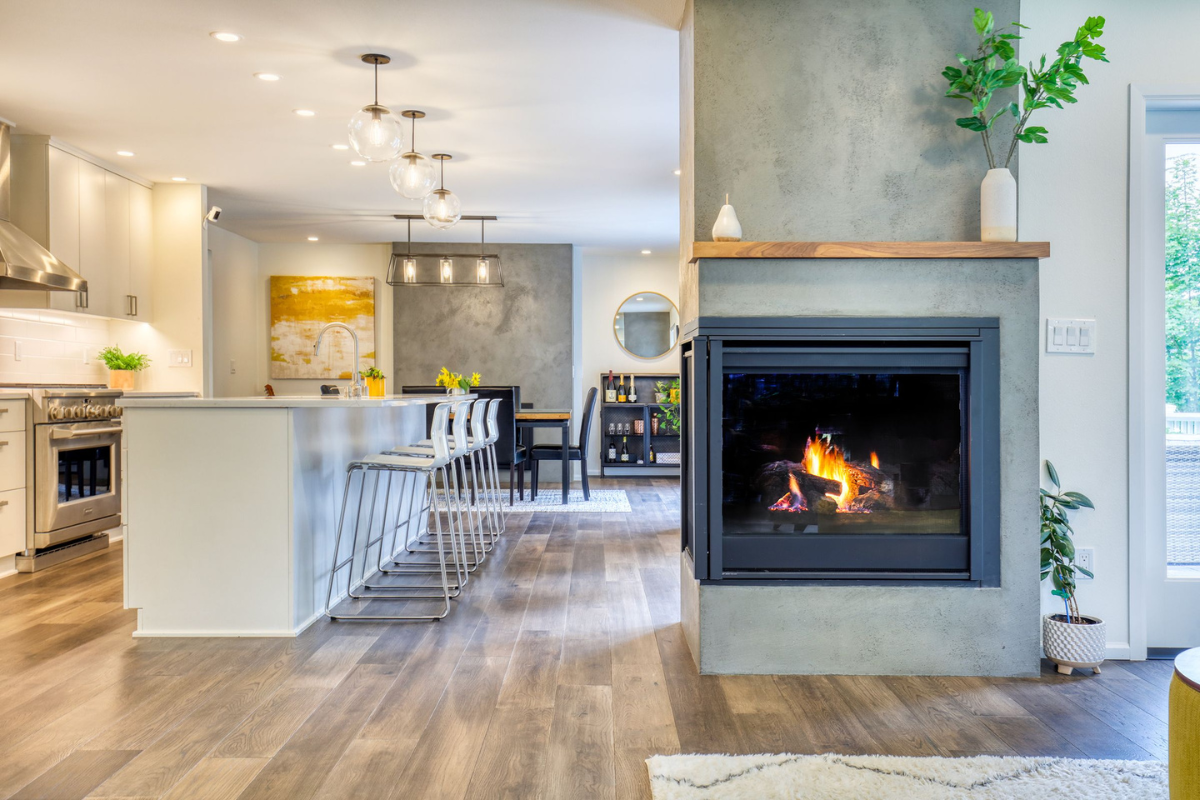
1. When A Client Stops Bracing
“I thought this was a flat rate.”
A client said this to us partway through a basement project. He’d assumed the number on his agreement was a single, fixed figure that covered everything we might encounter. As scope items came up, he was working through them out loud, trying to understand where the boundaries of the agreement actually were.
He wasn’t testing us. He was waiting to find out if he was about to be taken advantage of.
Most homeowners who’ve remodeled before have a story about a number that grew. By the time they’re sitting across from us, they’ve already decided, quietly, that the price they agree to probably isn’t the price they’ll actually pay. Asking about scope isn’t just due diligence. It’s armor.
So we walked through it together: what was already in the agreement, what would constitute a change, and how he’d know the difference before it happened, not after.
By the end of it, he wasn’t asking about scope anymore. He was asking what his next decision was.
That’s the step where a client stops bracing and starts trusting that the number in front of them is real. Until it happens, every conversation is a little harder than it needs to be.
2. The Meeting Where The Design Questions Answer Themselves
“I like both. I just don’t know which is better.”
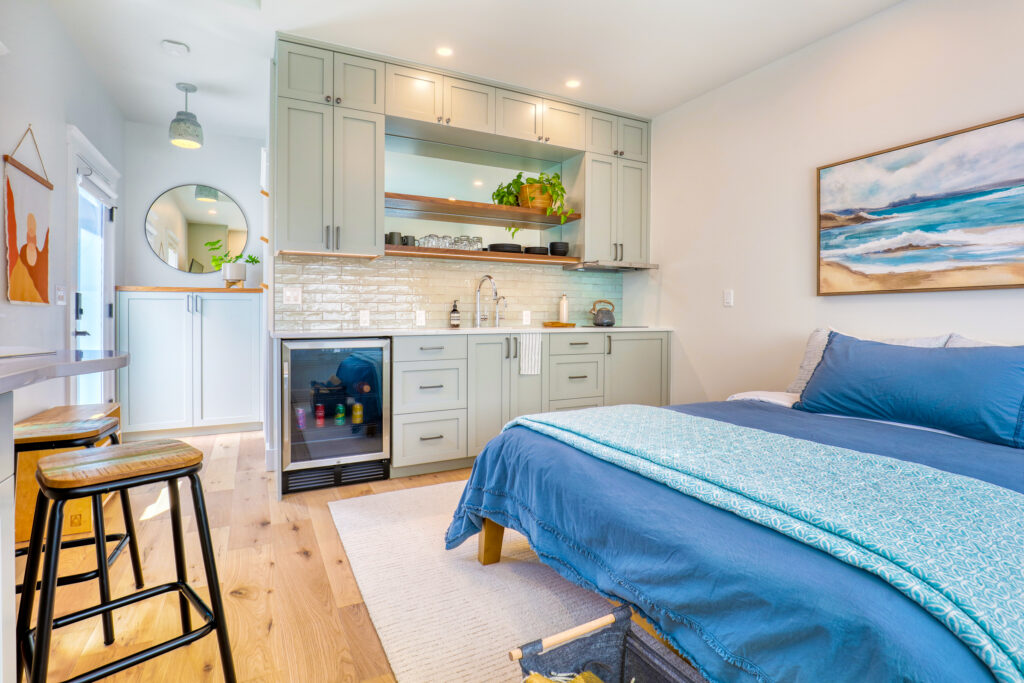
A homeowner said this to us about her home office. She was trying to fit too many functions into one small room, and every option she considered was a real one. No wrong answers, but no clear right one either.
What she needed wasn’t more options. It was to figure out what mattered most.
We spent the first part of that conversation talking about how she actually used the room on a Tuesday afternoon, what she did there that she couldn’t do anywhere else in the house and what she was willing to give up. The decisions she’d been stuck on weren’t actually design decisions. They were priority decisions. Once those were settled, the rest sorted itself out.
She left that meeting with fewer choices in front of her than she’d walked in with. That was the point.
This is what discovery looks like when it’s working. Not a homeowner listing their wishlist, but a conversation where you figure out which things on the list are actually the same thing, which ones cancel each other out, and which one matters most. And six months later, when the project is running, the people building it were in that room. Nothing got lost in a handoff.
3. Walking Back In
“It feels like our house.”
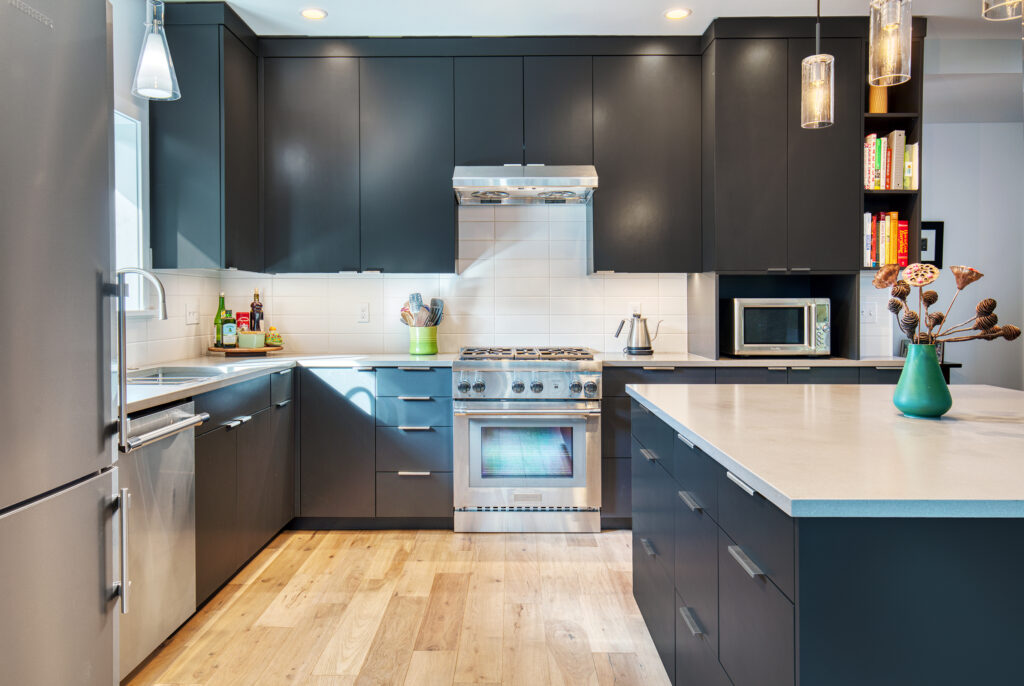
A client told us this the week she moved back in.
The remodel had taken months. There had been construction in her home, dust she’d lived around, decisions she’d had to make on a Wednesday that she hadn’t expected on Tuesday. By the standards of remodeling, none of that was unusual.
What was different was that she’d never lost track of where things stood. She knew what was happening when it was happening. She knew what the next decision was before it landed in her inbox. The financial review at the end of each month had no surprises because there were no surprises.
When she walked back into the finished space, the relief wasn’t about the project being over. It was quieter than that. The house felt like hers in a way it hadn’t before, and the months of work that got it there hadn’t taken something out of her that she’d have to recover from.
That’s the last step. It doesn’t appear on any schedule, but it’s the one the whole process is built for.
A remodel that ends with a client feeling more like themselves in their home, not less, is the outcome we’re working toward from the first conversation. Everything in between, from design, preconstruction, construction and completion, exists in service of that. The steps aren’t the point. What you feel when you walk through the door at the end is.
If you’re thinking through a remodel and trying to figure out what kind of process would actually work for you, that’s worth a conversation. We’re easy to reach.