
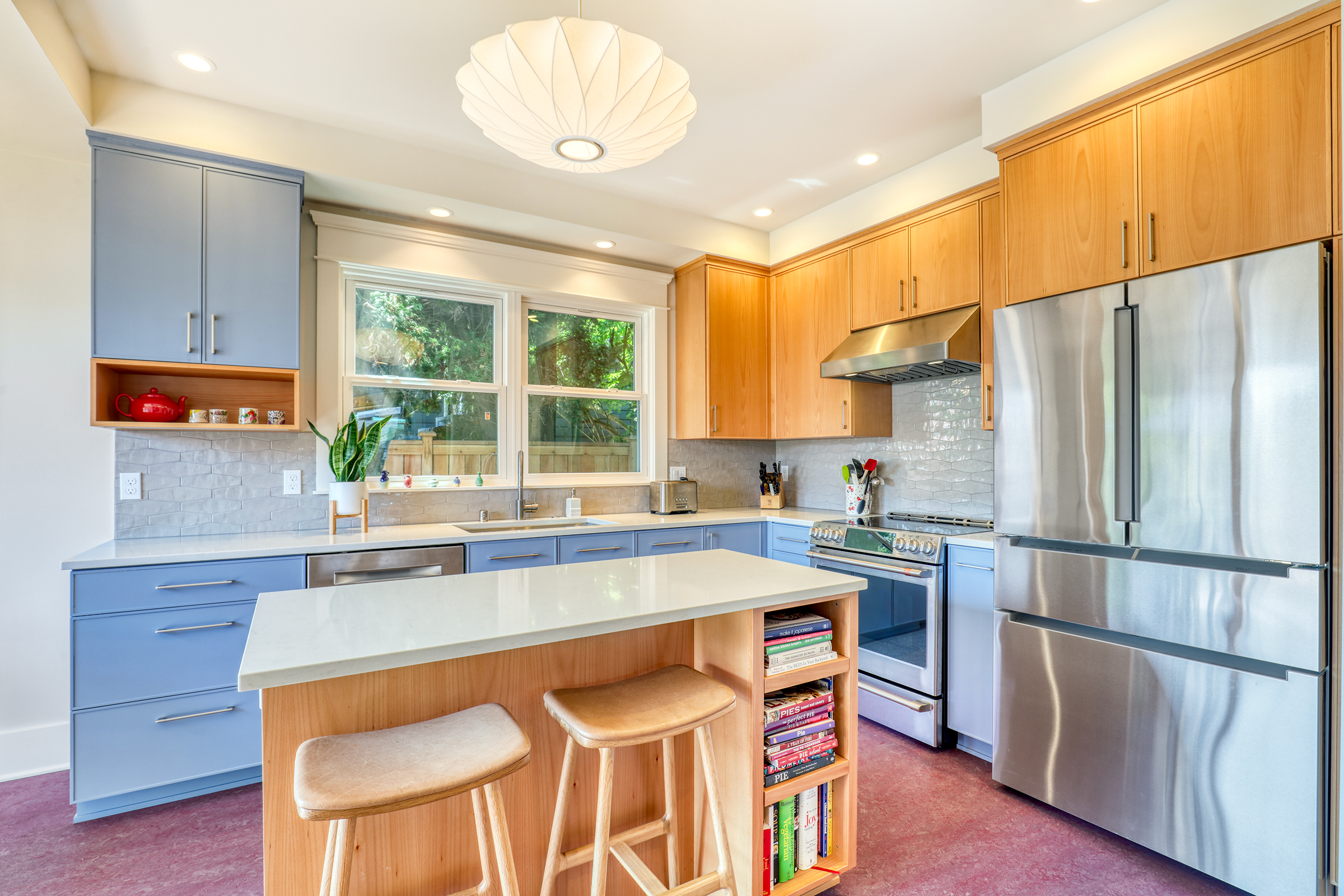
Every spring, a new set of design trends circulates through social media, magazines and showrooms. But when we step back and look at the homes our clients are actually building, a different picture comes into focus.
The choices being made across our recent projects aren’t driven by what’s trending in the moment. They’re driven by intention: by how our clients live, how they want their homes to feel and how those spaces will serve them for years to come.
“I don’t really prioritize trends; they’re easy enough for anyone to look up. What matters more to me is design that feels intentional, well done and genuinely reflective of the client.”
Melinda Shaw, Design Developer, Schulte Design Build
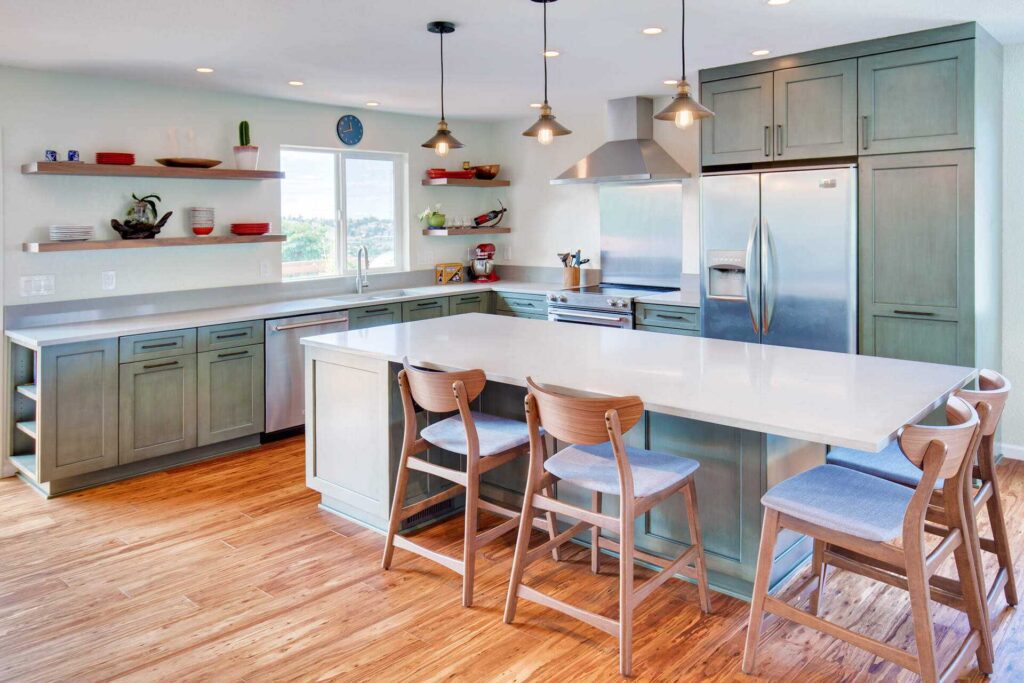
Kitchens: Starting With How You Actually Live
Before a single finish is selected, the most productive kitchen conversations start with a question: how do you actually use this space?
The clients who end up with kitchens they love aren’t the ones who chase a particular aesthetic. They’re the ones who thought through what daily life actually looks like in that room: whether that’s a family cooking together every night, someone who bakes seriously and needs room to spread out, or a homeowner entering a new chapter who wants a space that finally reflects who they are now. That clarity about how they want to live is what drives every decision that follows.
When you start from that place, the choices reinforce each other naturally. The layout opens up to support the way people actually move. Storage gets designed around real habits, not a generic checklist. The result is a kitchen that doesn’t just photograph well on the day it’s finished; it works better on year ten than it did on day one.
The clients who feel most confident in their selections are also the ones thinking about flexibility: not just who they are today, but how their needs might shift as families grow and life changes. That forward-looking mindset tends to produce homes that stay relevant long after trends have cycled through.
Bathrooms: Designing For The Long Arc Of Daily Life
Bathroom decisions often reveal how differently clients approach short-term appeal versus long-term livability, and the most satisfied homeowners tend to weigh those two things carefully.
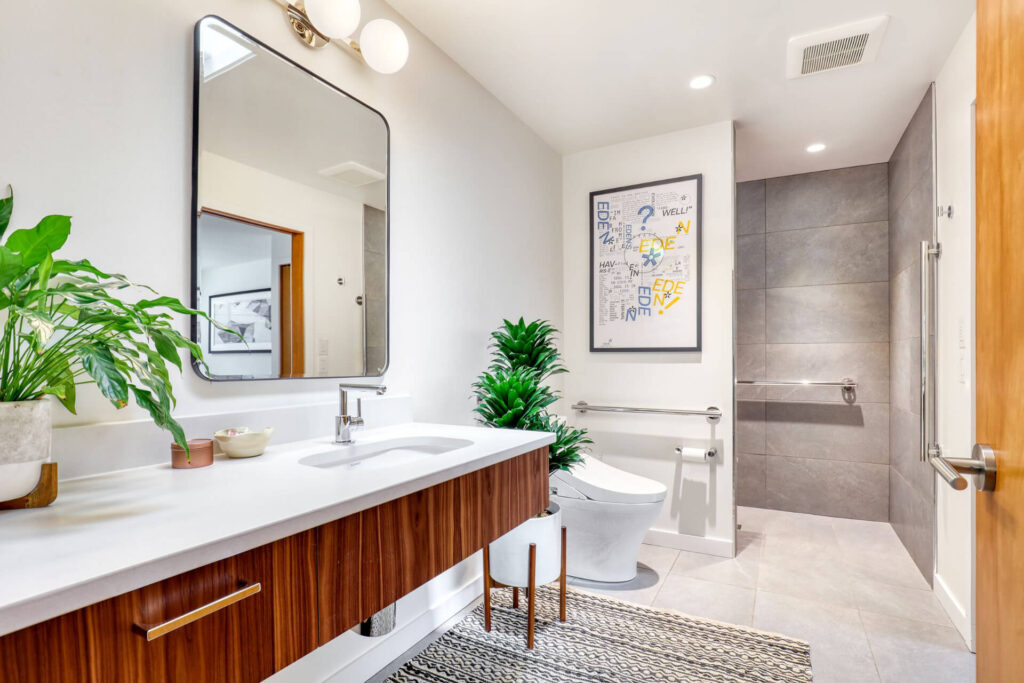
When clients ask whether a particular fixture or finish is still popular, we redirect that conversation. The more useful question is whether it will still feel right in 15 years and whether it will support how their needs might change over time. If clients are planning for a young family, a deep soaking tub is often the practical choice. If they’re thinking about how the home will serve them long-term, a curbless walk-in shower may serve them far better down the road. Accessibility, ease of maintenance and the way a space functions across different life stages all factor into selections that might look simple on the surface but carry a lot of intention underneath.
The clients who walk away feeling best about their bathrooms aren’t the ones who captured a moment. They’re the ones who made decisions grounded in how they want to live and trusted that clarity to outlast whatever is cycling through design media at any given time.
Materials And Color: Flexibility As A Design Strategy
One of the most common shifts we see in how clients approach materials and color is a move away from asking “what’s interesting right now?” toward asking “what gives me the most room to grow?”
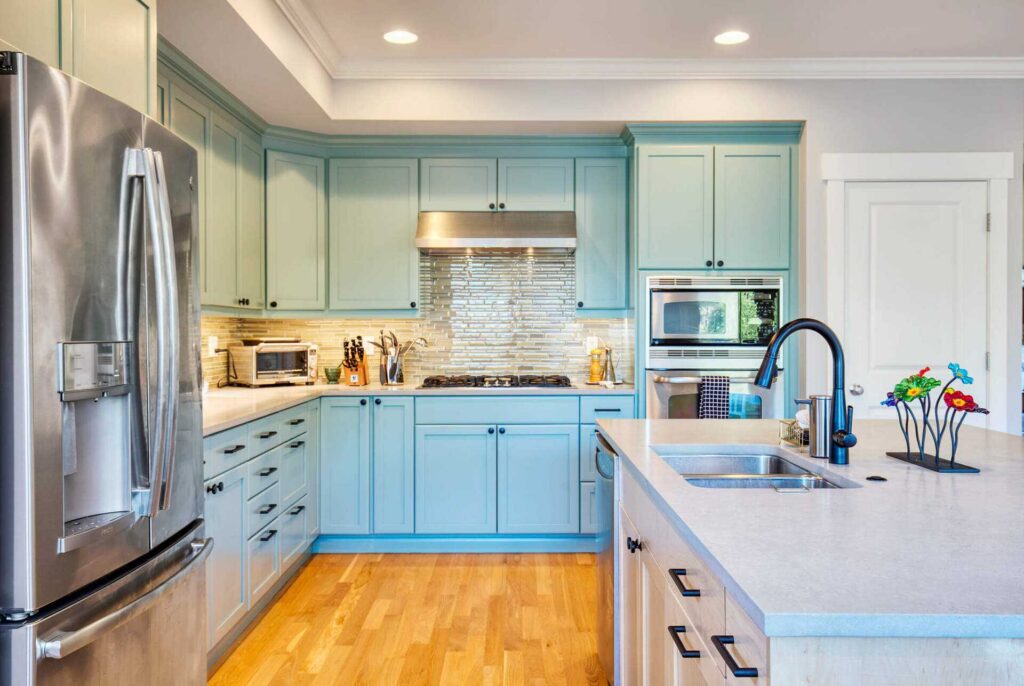
That reframe changes everything. When the goal is flexibility, fixed elements get chosen for their ability to support change rather than define a singular moment. Tactile, natural materials often feel calm and timeless rather than tied to a specific era. Color and personality can then come through in the things that are easier to update: artwork, textiles, furniture and accent areas. The home stays expressive without getting locked in.
This isn’t about playing it safe. It’s a deliberate strategy that keeps a home feeling personal and current without requiring a reinvention every few years. Clients who think this way end up with spaces that feel like theirs across decades, not just in the season they were built.
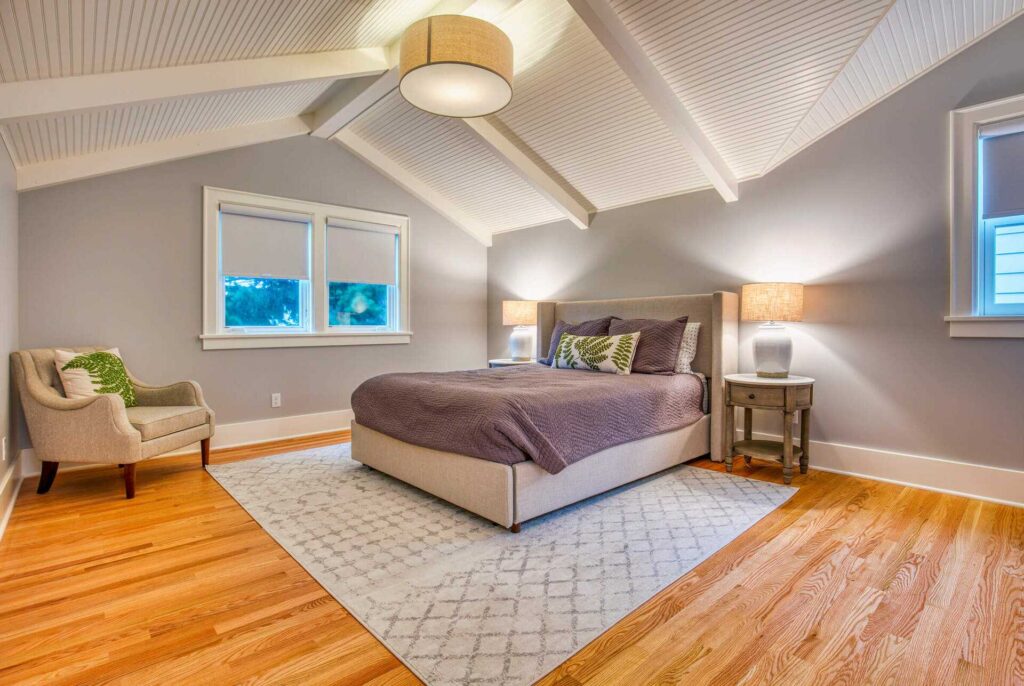
Lighting: Intention Before Aesthetics
Lighting decisions are where we often see the clearest difference between clients thinking in trends and clients thinking in systems.
A trend-led approach asks which fixtures are drawing attention right now. An intention-led approach asks something different: how should light support the way this space is actually used? A kitchen that’s both a workspace and a gathering place has different needs at 7am than it does at 7pm. A bathroom that needs to feel calm and easy for everyday use may need a different layering strategy than one designed primarily for guests. Clients who think through those questions first, who the space is for, what happens there and when, end up with lighting that holds up across the full life of the home, not just through the current design cycle.
The Question That Drives Everything
Rather than asking what’s popular, our clients ask whether a selection belongs, whether it supports their lifestyle and whether it will hold up over time. That question, “Does this fit how I actually want to live?”, is the one that consistently leads to homes that feel cohesive, personal and enduring.
We don’t build homes for the current season. We build homes for the next 20 years. If you’re turning over a decision about your own home, we’d be glad to talk it through with you..